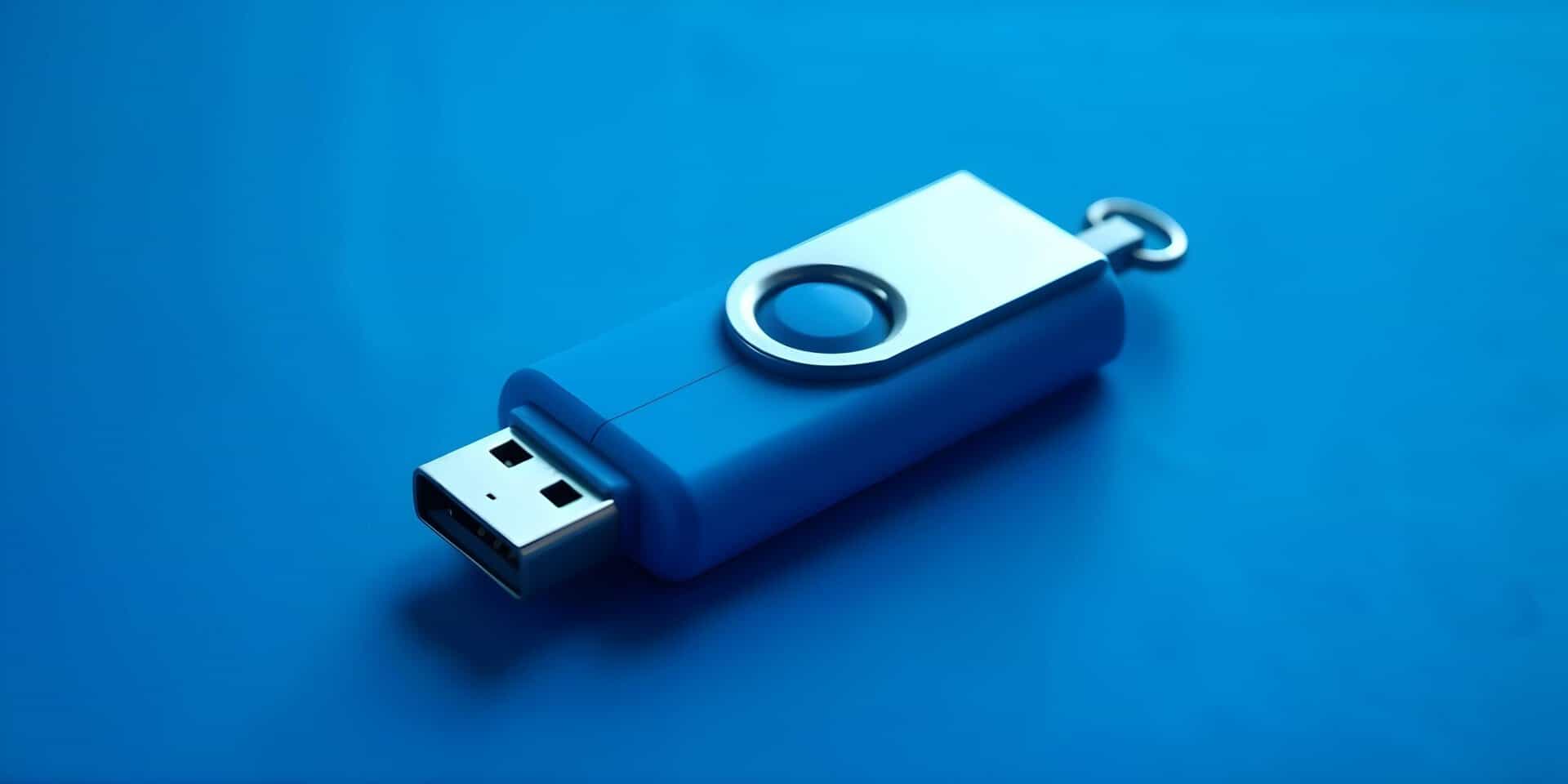

USB devices are everywhere. From laptops and desktops to external hard drives and USB sticks, these small, portable tools make data transfer fast and convenient. However, their convenience comes with significant risks. Many organisations and individuals underestimate the dangers associated with USB devices, making them a major vector for cyber attacks.
At Tyrex Cyber, we specialise in securing organisations against these hidden threats, providing advanced USB cleaning stations and removable media security solutions to protect sensitive systems and data. This article explores why USB cyber threats remain a persistent risk and what can be done to reduce exposure.
The Ubiquity of USB Devices and Hidden Risks
USB devices are nearly universal in modern computing environments. Employees frequently connect USB drives to company computers, and individuals often exchange or borrow devices without considering the security implications. This widespread use makes USB devices attractive targets for cybercriminals.
Even organisations with strong network security can be vulnerable if USB ports are left unsecured. While firewalls, endpoint protection, and intrusion detection systems defend against online threats, physical media such as USB devices can bypass these controls entirely. This is why USB cyber threats are often described as hidden. They exploit human behaviour and physical access rather than network vulnerabilities.
Common USB Cyber Threats
Understanding the types of attacks that can be delivered through USB devices is essential for developing effective USB device security strategies. The most common threats include the following.
Malware and ransomware
Malware can be embedded directly onto a USB device. Once connected, malicious code may automatically execute, infecting the host system, stealing sensitive data, or encrypting files for ransom. Unlike email based attacks, USB malware does not rely on a user clicking a link, which makes it harder to detect using traditional controls.
BadUSB exploits
BadUSB attacks target the firmware of USB devices, allowing attackers to reprogram them into malicious tools. Because the compromise occurs at a hardware level, conventional antivirus software may not detect it. This makes USB malware protection more complex and highlights the need for specialised defensive measures.
Data exfiltration
Malicious USB devices can silently copy sensitive information from a computer and transmit it back to an attacker. This threat is particularly serious in corporate environments where confidential data, trade secrets, or personally identifiable information is stored on workstations.
Social engineering via USB
Cybercriminals frequently exploit curiosity and trust. One common technique involves leaving infected USB drives in public or shared spaces. When someone picks up the device and plugs it in, a compromise can occur, potentially spreading malware across an entire network.
Real World USB Cyber Threat Incidents
Several well known incidents demonstrate the real impact of unsecured USB devices.
- Stuxnet in 2010 spread via USB drives and targeted industrial control systems, showing how removable media can be used to breach isolated environments.
- Corporate data breaches have repeatedly been traced back to employees connecting unknown or unauthorised USB devices.
These examples show that even organisations with advanced cyber security defences remain vulnerable if USB cyber threats are not properly addressed.
Implementing Effective USB Device Security
There are several practical steps organisations can take to reduce risk and improve protection against USB based attacks.
Restrict and control device use
Clear policies around USB usage are essential. Limiting access to authorised and encrypted USB devices prevents unknown or unverified media from connecting to sensitive systems.
Deploy advanced USB malware protection
Endpoint security tools that monitor USB activity can stop malware from executing. These systems scan devices on connection, block unauthorised access, and alert IT teams to suspicious behaviour.
Employee education and awareness
Human error remains one of the most common causes of security incidents. Regular training helps staff understand the risks of connecting unknown USB devices and reinforces safe behaviour.
Disable autorun features
Many USB based attacks rely on autorun functionality to trigger automatically. Disabling autorun across systems significantly reduces this attack surface.
Regular system and firmware updates
Keeping systems and firmware up to date helps close vulnerabilities that attackers may exploit using removable media.
Tyrex Cyber USB Decontamination Solutions
Recognising the unique risks posed by USB devices, Tyrex Cyber provides specialised USB decontamination solutions. Our hardware based decontamination stations, known as K REX systems, act as a secure gateway between removable media and protected networks.
K REX station options include:
- K REX Console, a desktop unit with a 10 inch HD screen for standard office environments.
- K REX Totem, a floor standing unit with a 24 inch HD screen designed for high traffic areas.
- K REX Satellite, a wall mounted unit suitable for confined or controlled spaces.
- K REX Mobile, a rugged portable unit built for mobile and defence environments.
Each system uses multiple malware detection engines to scan and sanitise USB devices before they connect to critical systems. This allows organisations to implement strong USB cybersecurity controls without disrupting day to day operations.
The Human Factor
Technology alone is not enough. Building a security aware culture is essential. Staff should be encouraged to avoid connecting unknown USB devices, report suspicious activity quickly, and follow removable media policies consistently.
Emerging Trends in USB Security
As threats evolve, new approaches are helping organisations stay ahead.
- Hardware based encryption protects data if a USB device is lost or stolen.
- USB activity monitoring tools provide visibility into how removable media is used across networks.
- Zero trust models treat all external devices as untrusted until verified.
Wrapping Up
USB devices play an essential role in modern computing, but they also introduce serious cyber security risks. From malware and BadUSB exploits to data exfiltration and social engineering, these threats continue to cause real damage.
Tyrex Cyber’s USB decontamination solutions provide a practical and effective defence, helping organisations scan, sanitise, and control all removable media before it reaches secure systems. Combined with staff awareness, clear policies, and monitoring, this approach significantly reduces exposure to USB cyber threats.
For more information on strengthening your removable media defences, explore our USB cybersecurity resources or speak with our team.