

In cybersecurity, sheep dip refers to a dedicated hardware based process that scans and neutralises malware from removable media, especially USB drives, before those devices are allowed anywhere near critical IT or OT environments. Borrowed from agricultural terminology, where sheep were dipped in disinfectant to prevent disease, the term now describes the digital equivalent. Every external storage device is subjected to a comprehensive disinfection step before it risks contaminating secure systems.
Understanding Sheep Dip: The First Line of Defence for Removable Media
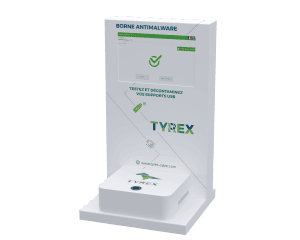
The sheep dip process centres on specialised, isolated scanning workstations, sometimes referred to as sheep dip stations or white rooms. These systems are equipped with multiple antivirus and anti malware engines. Staff insert any new or returning USB drive or other removable media into the station, where it is scanned in a quarantined environment. Malware threats are detected and removed before they can spread into sensitive networks.
Why Is Sheep Dip Critical for Cybersecurity
Even in highly secure environments, removable media remains a frequent cause of cyber incidents. Malware can be introduced through USB devices brought in by contractors, staff, or suppliers, bypassing software based defences if left unchecked. Sheep dip stops these risks at the point of entry by physically separating untrusted media and applying layered scanning to identify both known and unknown threats.
Key Takeaways:
- Sheep dip means scanning removable media on a dedicated isolated system before it connects to production networks.
- It protects air gapped environments and critical infrastructure from malware and advanced persistent threats.
- The concept originates from livestock disinfection, applying the same prevention logic to cybersecurity.
How Does a Sheep Dip Station Work
A sheep dip station is a stand alone hardware device, often ruggedised for demanding environments, running a hardened operating system. Unlike antivirus software on standard endpoints, it scans removable media before it ever reaches operational systems. Multiple scanning engines are used, typically combining signature based and heuristic analysis. All activity is logged to support compliance and incident response.
Step by step process
- A user inserts a USB drive or other removable media into the sheep dip station.
- The station runs multiple malware and vulnerability scans using independent security engines.
- A report confirms whether the device is safe or identifies detected threats.
- If clean, the media can be transferred to secure or air gapped systems.
- If a threat is found, the device may be quarantined, wiped, or escalated for remediation.
What Makes Sheep Dip Different From Standard Endpoint Protection
Endpoint security tools usually scan files once they are already on a workstation, which can be too late if malware executes quickly. Sheep dip stations keep unscanned media completely outside the network, acting as a controlled gateway. This hardware based approach also prevents malware from interfering with detection tools and provides a clear audit trail for removable media usage.
Key Takeaways:
- Using multiple scanning engines increases detection rates, often exceeding ninety eight percent.
- Physical separation prevents malware from tampering with scan results.
- Automated reports and centralised logs support audits and investigations.
Why UK Organisations Deploy Sheep Dip Stations
Sectors such as defence, manufacturing, maritime, energy, and critical national infrastructure in the UK rely on sheep dip technology to prevent disruptive cyber incidents. A single infected USB device can introduce ransomware or advanced malware, leading to downtime, data loss, or safety risks.
Compliance, assurance, and operational needs
Sheep dip stations support strong removable media controls aligned with standards such as Cyber Essentials and ISO IEC 27001. They also align with guidance from the National Cyber Security Centre. Centralised logging and controlled workflows simplify audits and post incident investigations.
Industry example: UK manufacturing incident
In 2023, a UK car manufacturer lost approximately nine hundred thousand pounds and over thirty six hours of production following malware introduced by an unscanned contractor USB device. Software based defences failed to detect the threat, which spread into legacy operational systems. Hardware sheep dip stations at facility entry points are designed to prevent exactly this scenario.
Key Takeaways:
- Widely used in defence, energy, industrial, and maritime sectors.
- Supports regulatory compliance and audit readiness.
- Reduces downtime by blocking threats before they enter secure environments.
Best Practices for Deploying Sheep Dip
How to implement a sheep dip workflow
- Identify all physical entry points for removable media, such as receptions, control rooms, and engineering areas.
- Select the appropriate station type, including portable, wall mounted, or kiosk based units.
- Integrate sheep dip logging with central security monitoring or SIEM platforms.
- Train staff to follow a strict scan before connect policy.
- Define clear handling procedures for detected threats.
FAQs on Sheep Dip in Cybersecurity
Is sheep dip required for Cyber Essentials or ISO IEC 27001
While not explicitly required by name, both frameworks expect robust removable media controls. Hardware based sheep dip scanning is one of the most effective ways to meet these requirements in regulated environments.
Can sheep dip stations operate offline
Yes. Modern sheep dip solutions can operate fully offline, making them suitable for air gapped and high security locations.
What is the difference between sheep dip and endpoint anti malware
Sheep dip scans media before it reaches production systems, blocking threats at the entry point. Endpoint tools detect threats only after files have already entered the environment.
Conclusion: Secure Your Organisation With Effective Sheep Dip
Deploying a sheep dip programme is a proactive step towards building a resilient security culture. By scanning and sanitising removable media before it connects to business or critical systems, organisations significantly reduce the risk of disruption and data loss.
UK organisations looking to improve compliance, audit readiness, and operational resilience should consider proven sheep dip technology as part of a layered defence approach. For further guidance, explore USB malware removal solutions from Tyrex or refer to NCSC removable media control guidance.