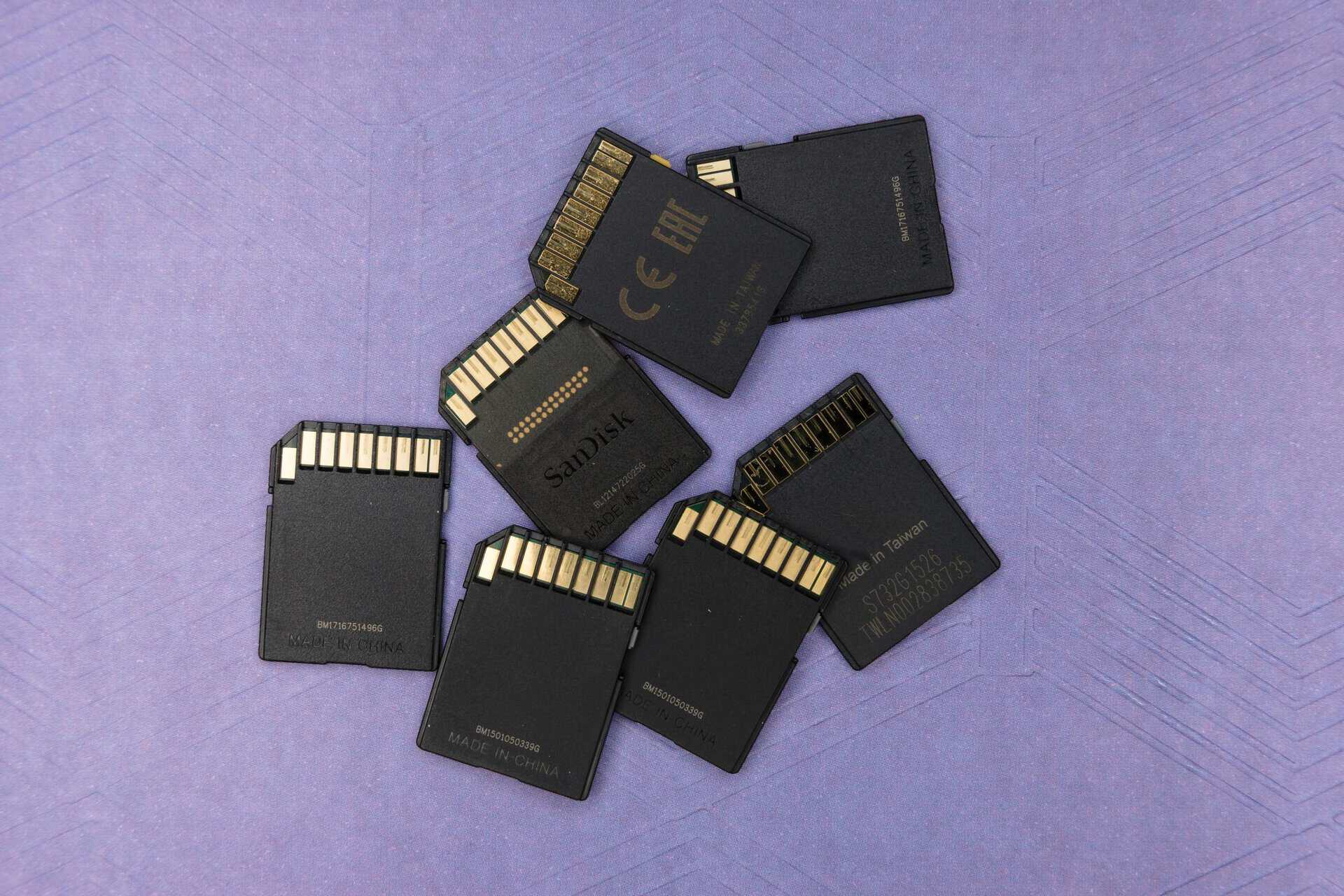

Removable media cyber security refers to the policies, technologies, and procedures used to protect organisations from cyber threats introduced through portable storage devices. These devices include USB drives, external hard disks, memory cards, CDs, and other forms of removable storage that can be connected to computers or operational systems.
While removable media is widely used for legitimate purposes such as transferring files, installing updates, or sharing data between systems, it also presents a significant cybersecurity risk. Portable devices can bypass network defences and introduce malware directly into secure environments.
Removable media cyber security solutions focuses on identifying, controlling, and inspecting these devices before they interact with sensitive systems. This approach helps you prevent malware infections, data breaches, and operational disruption caused by compromised portable devices.
Many modern cyber incidents begin outside the primary network perimeter. A single infected USB drive inserted into a workstation or industrial controller can introduce malicious software that spreads across connected systems. Because of this, organisations operating in secure or regulated environments must implement strict controls around removable media usage.
What is Removable Media?
Removable media refers to any portable storage device that can be easily connected to or removed from a computer system. These devices allow users to transfer files quickly without requiring network connectivity.
Common examples include:
- USB flash drives
- External hard drives
- Memory cards
- Optical discs such as CDs and DVDs
- Portable SSD devices
- Smartphones operating in storage mode
Although cloud storage and network file sharing have become common, removable media remains widely used in many industries.
For example, engineers may use USB drives to transfer firmware updates to equipment in industrial environments. Defence contractors may use portable media when moving files between isolated networks. Maintenance teams may rely on removable drives when diagnosing systems in the field.
In these scenarios, removable media provides a practical solution for transferring data between systems that cannot be directly connected.
However, convenience also introduces risk.
Why Removable Media Remains Widely Used
Despite growing awareness of cybersecurity threats, removable media continues to play an important role in many operational environments.
Several factors explain why these devices remain common:
Air-gapped environments
Highly secure networks are often intentionally isolated from the internet. Files must therefore be transferred manually using removable storage.
System updates and maintenance
Industrial equipment and legacy systems frequently rely on portable devices for firmware updates and configuration changes.
Field operations
In remote environments such as offshore platforms or defence installations, removable media may be the most practical method for transferring information.
Third-party contractors
External engineers, consultants, or suppliers may need to bring devices on site when performing diagnostics or system updates.
Because removable media enables essential workflows, organisations cannot simply eliminate its use entirely. Instead, they must implement security controls that allow safe usage while preventing cyber threats from entering critical systems.
The Cybersecurity Risks of Removable Media
Removable devices introduce a unique security challenge because they can bypass traditional network defences.
Firewalls, network monitoring tools, and email security systems are designed to inspect traffic entering through digital channels. However, portable storage devices operate outside these pathways.
If an infected USB drive is inserted into a machine, malware can be introduced directly onto the system without passing through network security controls.
Common risks associated with removable media include:
Malware infections
Malicious software can hide within files stored on USB drives and activate when the device is connected to a computer.
Ransomware deployment
Attackers may distribute ransomware through portable devices, encrypting critical systems once connected.
Data exfiltration
Sensitive files can be copied onto removable drives and removed from the organisation without detection.
Supply chain exposure
Contractors or vendors may unknowingly introduce infected devices into secure facilities.
Insider threats
Employees may intentionally or accidentally transfer malicious files using portable storage.
Many organisations underestimate these risks until an incident occurs.
If you’re exploring how ransomware spreads within organisations, our guide to ransomware in the workplace explains how infections often escalate after the initial compromise.
Famous Cyber Attacks Involving Removable Media
Removable media has played a role in several major cyber incidents.
Stuxnet
One of the most well-known cyber-attacks involving removable media is the Stuxnet worm. This highly sophisticated piece of malware targeted industrial control systems used in nuclear facilities. Stuxnet spread through infected USB drives introduced into air-gapped networks. Once inside, the malware manipulated industrial control systems and disrupted physical processes.
This attack demonstrated that even isolated systems could be compromised through removable media.
Agent.BTZ
Another example is the Agent.BTZ worm, which affected US military networks in the late 2000s. The infection began when a compromised USB drive was inserted into a laptop connected to a classified network.
The malware spread across multiple systems, forcing the military to temporarily ban the use of removable media devices.
Conficker
The Conficker worm also used removable media as a propagation method. It spread rapidly across global networks, infecting millions of computers and demonstrating how quickly malware can travel through portable devices.
These incidents highlight an important lesson. Air gaps alone cannot protect systems if removable media is allowed to enter networks without inspection.
Why Air-Gapped Systems Are Still Vulnerable
Many organisations assume that isolating their networks from the internet eliminates cyber risk. While network segmentation and air-gapping reduce exposure, they do not eliminate the threat entirely. Air-gapped systems still require occasional file transfers.
For example:
- Engineers may install updates using USB drives
- Vendors may transfer diagnostic logs
- Operators may move data between isolated networks
If removable devices are not inspected before connection, malware can enter the environment undetected. Once inside an air-gapped system, malicious software may spread to other connected machines or disrupt operational processes.
This is why many secure environments use dedicated scanning stations before allowing portable devices to interact with internal systems. To see how controlled scanning works in practice, explore our solutions for USB malware removal in secure environments.
Core Principles of Removable Media Cyber Security
Effective removable media cyber security relies on a layered defence strategy. Instead of relying on a single control, you combine multiple security measures to reduce risk.
Key principles include:
Device inspection before connection
Removable devices should be scanned before they interact with internal systems.
Policy enforcement
Clear policies must define who can introduce devices, where they must be scanned, and how they should be logged.
Network segmentation
If an infection occurs, segmentation helps prevent malware from spreading across the entire network.
Monitoring and logging
Security teams should maintain visibility into removable media usage across the organisation.
Staff training
Employees and contractors must understand the risks associated with portable storage devices.
This layered approach reduces the likelihood that a single security failure will result in a major incident.
Removable Media and Supply Chain Risks
Modern organisations rely heavily on external partners. Vendors, contractors, and suppliers often require access to systems for maintenance or support. In many cases, these third parties use their own devices when performing updates or transferring files. Without strict inspection policies, these devices can introduce malware into secure environments.
Supply chain exposure has become an increasingly important cybersecurity concern. Even if an organisation maintains strong internal security practices, vulnerabilities may still arise through external partners.
For organisations operating in specialised sectors such as aerospace and defence, additional security controls are often required. Our work supporting aerospace cyber solutions explores how portable media risks are managed in high-security environments.
Insider Threats and Human Error
Not all removable media risks originate from external attackers. Internal mistakes are a common cause of cybersecurity incidents.
Examples include:
- Employees using personal USB drives on corporate systems
- Contractors transferring files without scanning devices first
- Staff unintentionally copying sensitive data to portable storage
In many cases, these incidents occur without malicious intent. However, the consequences can still be severe.
Regular staff training and clear security procedures help reduce the likelihood of these errors.
Technology also plays a role by enforcing scanning policies and preventing unauthorised devices from connecting to sensitive systems.
Technologies Used to Protect Removable Media
You can use several technologies to protect against removable media threats.
Hardware-Based USB Inspection
Dedicated hardware inspection systems scan devices in an isolated environment before they interact with secure networks. These systems analyse files using multiple antivirus engines and behavioural detection tools.
In some defence environments, these stations are commonly referred to as sheep dip stations.
Sandboxing
Sandboxing allows suspicious files to be executed in a controlled virtual environment. This helps detect malware that may not be identified by traditional signature-based scanners.
Endpoint Security Controls
Endpoint protection tools can monitor device connections and prevent unauthorised removable media from being used.
However, endpoint protection alone may not be sufficient. Hardware-based scanning provides an additional layer of security outside the primary network.
Best Practices for Organisations
Organisations can significantly reduce removable media risks by implementing structured security practices.
Recommended steps include:
- Enforce mandatory scanning of all removable devices
- Restrict which users are permitted to introduce portable media
- Maintain detailed logs of device usage
- Implement network segmentation to limit potential spread
- Provide regular cybersecurity awareness training
These measures help you maintain operational flexibility while reducing exposure to removable media threats.
Removable Media Security in Critical Sectors
Removable media security is particularly important in industries where operational systems control physical infrastructure.
Defence and Government
Government networks and defence contractors often operate highly segmented systems. Portable storage devices may be required for transferring information between isolated networks.
Strict inspection controls are therefore essential.
Industrial and Manufacturing
Manufacturing plants frequently rely on programmable logic controllers and industrial control systems. Maintenance engineers often use USB devices when updating or diagnosing equipment.
Critical National Infrastructure
Energy providers, water treatment facilities, and transport networks depend on operational technology systems that cannot easily be connected to external networks.
Removable media remains a necessary part of these environments, making strong security controls essential.
Implementation Checklist
Organisations looking to strengthen removable media cyber security should consider the following steps:
- Conduct a full inventory of systems and removable media usage
- Implement dedicated inspection points for all portable devices
- Define clear removable media policies and access controls
- Enable logging and audit trails for device connections
- Provide regular training for employees and contractors
- Review security procedures annually
When implemented together, these measures form a comprehensive removable media security strategy.
Frequently Asked Questions
Why is removable media still a cybersecurity risk?
Portable devices can bypass network-based security controls and introduce malware directly into systems.
Can air-gapped systems be infected by malware?
Yes. Malware can enter air-gapped networks through infected removable media devices.
Is banning USB devices the best solution?
In most environments, banning removable media is not practical. A controlled inspection process provides a more realistic solution.
The Growing Importance of Removable Media Security
As organisations continue to rely on portable storage for convenience and speed, the risks associated with removable media are unlikely to disappear. In fact, the growing sophistication of cyber threats means that removable media cyber security will become even more important in the years ahead.
Attackers are increasingly developing malware designed specifically to exploit USB devices and other portable storage tools. Some of these threats can hide within legitimate-looking files, while others attempt to run automatically when the device is connected to a system. In highly targeted attacks, removable media can even be used to bypass traditional network security measures entirely.
Because of this, businesses are starting to rethink how they approach removable storage. Instead of banning USB devices outright, many companies are adopting layered security strategies that combine device control, behavioural monitoring, encryption, and strict access policies. This balanced approach allows teams to continue using portable storage where necessary while significantly reducing the potential attack surface.
Strengthening Removable Media Cyber Security
Removable media remains one of the most persistent and underestimated cyber threat vectors in modern organisations. While portable storage devices support important operational workflows, they also create a pathway for malware to enter secure environments.
Air-gapped systems and network defences alone cannot eliminate this risk. Effective protection requires layered security controls, strong policies, and reliable inspection technologies.
By implementing structured removable media security strategies, you can reduce the likelihood of malware infections, data breaches, and operational disruption.
If you would like to review your organisation’s removable media security practices or discuss strengthening your defences, you can contact our team for further guidance.